


Introduction
A Tri Lobe Air Blower is an advanced positive displacement blower designed to deliver consistent airflow with reduced pulsation, lower noise, and improved efficiency compared to conventional lobe blowers. With three-lobe rotors rotating in opposite directions, these blowers ensure smooth air delivery and stable pressure across demanding industrial environments.
Tri lobe blowers are widely used in sewage treatment plants (STP), effluent treatment plants (ETP), aquaculture, pneumatic conveying, cement, chemical, and food processing industries. Their ability to operate continuously with minimal vibration makes them a preferred choice for critical aeration and air supply applications.
This blog explores the working principle, advantages, industrial applications, and future prospects of tri lobe air blowers in modern industrial systems.
What Is a Tri Lobe Air Blower?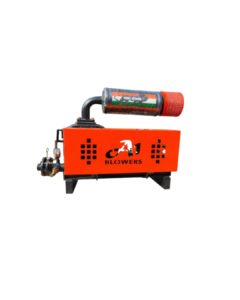
A tri lobe air blower is a positive displacement rotary blower featuring three-lobed rotors instead of traditional two-lobe designs. These rotors rotate inside a precision-machined casing, trapping and transferring air from the inlet to the outlet without internal compression.
The tri-lobe design reduces air pulsation, resulting in smoother airflow, lower noise levels, and higher mechanical efficiency. This makes tri lobe blowers ideal for operations requiring stable pressure and continuous airflow.
Working Principle of Tri Lobe Air Blower
The working principle of a tri lobe air blower is simple yet highly efficient:
-
Air enters through the inlet port
-
Three-lobed rotors rotate in opposite directions without contact
-
Air is trapped between the lobes and casing
-
Trapped air is pushed toward the discharge port
-
Compression occurs externally due to system resistance
Because there is no internal contact between rotating parts, wear and maintenance requirements are significantly reduced.
Key Features of Tri Lobe Air Blowers
-
Three-lobe rotor design for smoother airflow
-
Low pulsation and vibration
-
High volumetric efficiency
-
Oil-free air delivery
-
Continuous duty operation
-
Compact and robust construction
-
Suitable for high-pressure and high-flow applications
Benefits of Tri Lobe Air Blowers
1. Reduced Noise and Vibration
Compared to twin lobe blowers, tri lobe blowers generate lower noise levels due to reduced air pulsation, making them suitable for noise-sensitive environments.
2. Improved Energy Efficiency
Smooth airflow reduces power losses, resulting in lower energy consumption and operating costs.
3. Longer Equipment Life
Non-contact rotors minimize internal wear, increasing the lifespan of bearings, seals, and gears.
4. Stable Airflow Output
Consistent airflow ensures efficient aeration, combustion, and material handling processes.
5. Low Maintenance Requirements
Simple construction and fewer wear components reduce maintenance frequency and downtime.
Industrial Applications of Tri Lobe Air Blowers
Sewage Treatment Plants (STP)
Tri lobe air blowers supply oxygen for biological treatment processes, supporting aerobic bacteria growth and improving wastewater treatment efficiency.
Effluent Treatment Plants (ETP)
They provide stable aeration for chemical and biological treatment stages, ensuring compliance with environmental discharge standards.
Aquaculture and Fish Farming
Continuous oxygen supply improves water quality, enhances fish health, and boosts productivity.
Pneumatic Conveying Systems
Used for transporting powders, grains, cement, and bulk materials efficiently and safely.
Cement and Power Plants
Provide combustion air, ash handling, and material transfer support.
Chemical and Pharmaceutical Industries
Deliver clean, oil-free air for sensitive processing applications.
Tri Lobe Air Blowers in STP and ETP Plants
In wastewater treatment systems, tri lobe air blowers play a critical role by:
-
Maintaining dissolved oxygen levels
-
Supporting biological aeration tanks
-
Enhancing sludge digestion efficiency
-
Reducing energy consumption in aeration processes
-
Ensuring uninterrupted plant operation
Their reliability and efficiency make them ideal for round-the-clock wastewater treatment operations.
Comparison: Tri Lobe vs Twin Lobe Air Blowers
| Feature | Tri Lobe Blower | Twin Lobe Blower |
|---|---|---|
| Noise Level | Lower | Higher |
| Air Pulsation | Minimal | Moderate |
| Energy Efficiency | Higher | Standard |
| Vibration | Low | Higher |
| Application Suitability | Continuous duty | General use |
How to Select the Right Tri Lobe Air Blower
When choosing a tri lobe air blower, consider:
-
Required airflow (CFM / m³/hr)
-
Operating pressure
-
Duty cycle and runtime
-
Installation environment
-
Noise restrictions
-
Energy efficiency requirements
Proper sizing ensures optimal performance and long-term reliability.
Maintenance and Operational Best Practices
-
Regular inspection of bearings and seals
-
Proper lubrication of gears
-
Monitoring vibration and noise levels
-
Ensuring clean air intake
-
Timely replacement of wear components
Preventive maintenance helps maintain efficiency and avoid unexpected downtime.
Future Aspects of Tri Lobe Air Blower Technology
The future of tri lobe air blowers is focused on:
-
Higher energy efficiency designs
-
Integration with VFDs for speed control
-
Advanced noise reduction technologies
-
Smart monitoring and predictive maintenance
-
Sustainable and eco-friendly operation
As industries move toward energy optimization and automation, tri lobe blowers will continue to gain popularity.
Services and Support for Tri Lobe Air Blowers
Comprehensive services associated with tri lobe air blowers include:
-
System design and selection support
-
Installation and commissioning
-
Preventive maintenance services
-
Spare parts and accessories supply
-
Performance audits and upgrades
Professional service ensures maximum uptime and long-term performance.
Conclusion
Tri lobe air blowers represent a modern, efficient, and reliable solution for industrial aeration and air supply applications. Their smooth airflow, low noise, and high efficiency make them an ideal choice for STP, ETP, aquaculture, pneumatic conveying, and process industries.
By selecting the right tri lobe air blower and maintaining it properly, industries can achieve consistent performance, reduced operational costs, and long-term sustainability.