


Introduction
Handling mud, slurry, and semi-solid waste is one of the biggest challenges in wastewater treatment plants and industrial facilities. Conventional pumps often struggle with clogging, wear, and frequent maintenance when dealing with thick, abrasive, or high-solid content materials. This is where specialized equipment like the Avika Mude Pump becomes essential.
Avika Mude Pumps are engineered to handle dense sludge, mud, slurry, and viscous materials efficiently without clogging or performance loss. These pumps are widely used in Sewage Treatment Plants (STP), Effluent Treatment Plants (ETP), sludge handling systems, and various industrial processes where reliable mud transfer is required.
This blog provides a complete overview of Avika Mude Pumps, including their working principle, advantages, applications, selection criteria, and future developments.
What Is an Avika Mude Pump?
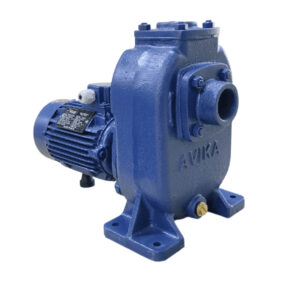
An Avika Mude Pump is a heavy-duty industrial pump designed specifically for pumping mud, slurry, sludge, and semi-solid materials with high solid content. Unlike conventional centrifugal pumps, this pump is built to handle thick and abrasive media without clogging or excessive wear.
Its robust construction and specialized pumping mechanism make it suitable for continuous operation in harsh industrial environments.
Working Principle of Avika Mude Pump
The working principle of the Avika Mude Pump is based on positive displacement and controlled material movement, allowing it to handle viscous and solid-laden fluids efficiently.
Basic Working Process:
- Mud or slurry enters the pump through the inlet
- Internal pumping elements move the material forward
- The design prevents blockage and backflow
- Material is discharged smoothly at the outlet
This mechanism ensures consistent flow even with high-density sludge, making the pump ideal for wastewater and industrial sludge applications.
Key Benefits of Avika Mude Pump
1. Excellent Slurry and Mud Handling Capability
Designed to handle thick, viscous, and abrasive materials without clogging.
2. Reduced Wear and Tear
Heavy-duty construction minimizes damage caused by abrasive solids.
3. Reliable Continuous Operation
Suitable for 24/7 operation in STP, ETP, and industrial plants.
4. Low Maintenance Requirements
Simple and rugged design reduces frequent breakdowns and service needs.
5. Energy-Efficient Performance
Optimized pumping mechanism ensures efficient power usage even under heavy load.
Applications of Avika Mude Pump
Avika Mude Pumps are used across a wide range of industries due to their versatility and durability.
Common Applications Include:
- Sewage Treatment Plants (STP)
- Effluent Treatment Plants (ETP)
- Sludge handling and transfer systems
- Sludge de-watering feed applications
- Chemical and pharmaceutical industries
- Paper and pulp industries
- Textile and dyeing units
- Mining and construction sites
Role of Avika Mude Pump in STP Plants
In STP plants, sludge generated during biological treatment needs to be transferred efficiently to de-watering units or disposal points. Avika Mude Pumps handle this sludge without clogging, ensuring smooth plant operation.
Key Benefits in STP:
- Efficient sludge transfer
- Reduced manual handling
- Improved plant hygiene
- Lower maintenance downtime
Role of Avika Mude Pump in ETP Plants
ETP plants often deal with industrial sludge containing chemicals, oils, and solid particles. Avika Mude Pumps are ideal for such demanding conditions.
Advantages in ETP Applications:
- Safe handling of hazardous sludge
- Consistent pumping performance
- Reduced risk of pipeline blockage
- Improved operational efficiency
Comparison with Conventional Slurry Pumps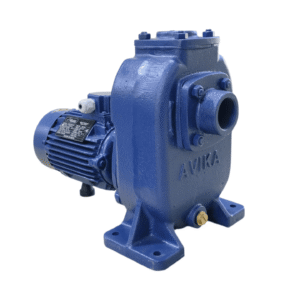
Avika Mude Pump:
- Handles high solid content easily
- Less clogging
- Longer service life
- Suitable for thick and viscous materials
Conventional Pumps:
- Frequent clogging
- Higher wear rate
- Limited performance with dense sludge
This makes Avika Mude Pumps a preferred choice for sludge and mud handling.
How to Choose the Right Avika Mude Pump
Selecting the correct pump is crucial for optimal performance.
Key Selection Factors:
- Type and consistency of sludge or mud
- Solid content percentage
- Required flow rate and discharge pressure
- Installation location and layout
- Power availability
- Maintenance accessibility
Choosing the right pump ensures reliable operation and long-term cost savings.
Installation Considerations
Proper installation enhances pump performance and lifespan.
Best Practices:
- Ensure proper alignment with pipelines
- Avoid sharp bends in suction lines
- Provide adequate foundation and support
- Follow recommended operating parameters
Correct installation minimizes vibration and wear.
Maintenance and Service Best Practices
Regular maintenance ensures uninterrupted operation.
Maintenance Tips:
- Periodic inspection of internal components
- Cleaning to prevent material buildup
- Checking seals and bearings
- Monitoring vibration and noise
- Timely replacement of worn parts
Preventive maintenance significantly reduces breakdowns and downtime.
Energy Efficiency and Operational Cost Benefits
Avika Mude Pumps are designed to operate efficiently even under heavy-duty conditions. Their optimized design helps reduce energy consumption and operating costs compared to conventional pumping systems.
Efficient sludge handling improves overall plant economics and sustainability.
Environmental and Safety Benefits
Efficient sludge transfer minimizes spillage, odor, and environmental contamination. Avika Mude Pumps support safe and hygienic operations, helping plants meet environmental and safety regulations.
Future Aspects of Avika Mude Pump Technology
The future of mud and slurry handling focuses on durability, efficiency, and automation.
Emerging Trends Include:
- Advanced wear-resistant materials
- Improved sealing technology
- Smart monitoring and condition tracking
- Compact and modular pump designs
- Lower energy consumption systems
These innovations will further enhance reliability and performance.
Conclusion
Avika Mude Pumps are a reliable and efficient solution for handling mud, slurry, and sludge in STP, ETP, and industrial applications. Their robust construction, clog-free performance, and low maintenance requirements make them an essential component of modern wastewater and industrial facilities.
By selecting the right pump and following proper maintenance practices, industries can achieve smooth operations, reduced downtime, and long-term cost efficiency.